
Take 21: आमाको मुख…
Why wait for Mother’s Day to call out harmful narratives glorifying mothers and motherhood!

We are taking a break from the news cycle this week because it’s just been that kind of week - same men making the same kind of headlines.
This week we want to write about mothers and motherhood, because why wait for mother’s day, right?
Over the weekend we got together at Shilpee Theatre with writers Babita Rai and Anbika Giri, along with the most amazing crowd (who, btw, laughed at all our pidit jokes) to deconstruct the symbolic representation of the mother figure.
The dominant representation of mothers on the screen, in literature, and in our everyday interactions is that of a selfless, sacrificial, almost-divine being. But, what impact does such kind of one-dimensional representation have on society at large and how does it limit or suppress the nuanced interior and exterior lives and identities of women?
We had plenty of cringe clips of Nepali movies from the 90s and equally cringe TikTok videos glorifying mothers and motherhood as a reference throughout our ‘चिरफार’ session. So, obviously, there was a lot to laugh and guff gaff about.
आमाको…ममता, त्याग, र बलिदान: The portrayal of mothers in literature and media is problematic. They glorify motherhood and reinforce narratives that fail to recognize mothers as ordinary human beings, who have been imposed these virtues of 'त्याग' and 'बलिदान' by the patriarchal social structure. What would have happened if mothers weren’t perceived as god-like figures? There probably wouldn’t have been as much 'भावनाको खेति' in the name of mothers and their 'sacrifices', as writer Anbika Giri aptly said. And also, maybe many male Nepali writers, who’ve made careers waxing poetic about mothers’ unconditional love and sacrifice, wouldn’t have as many best sellers.
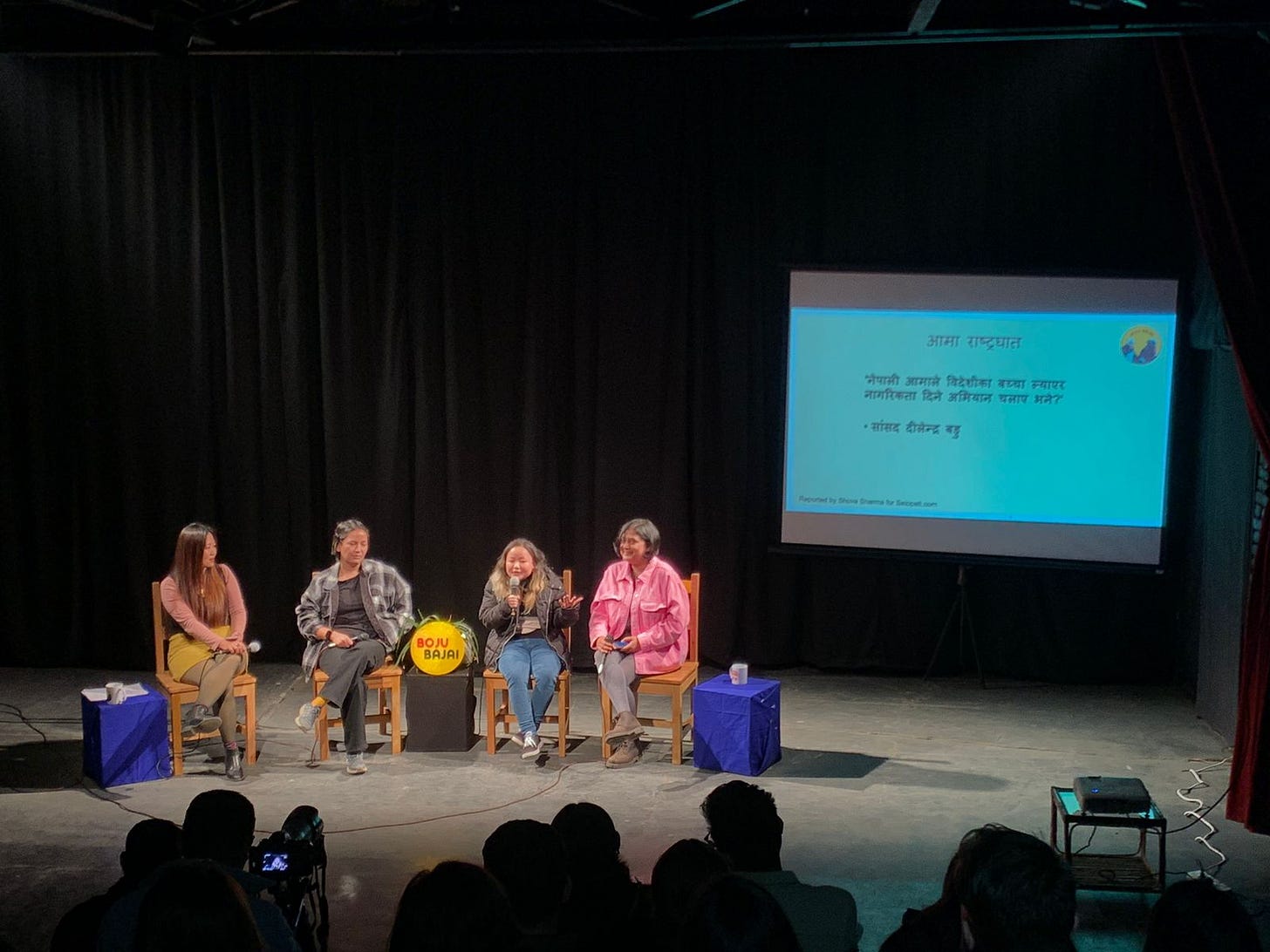
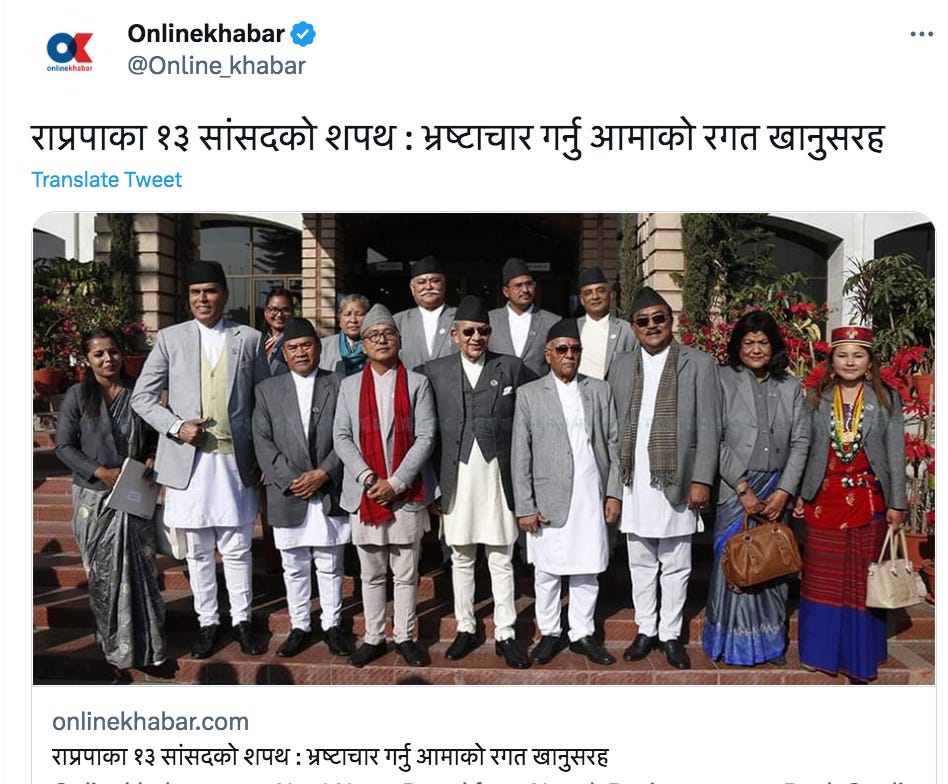
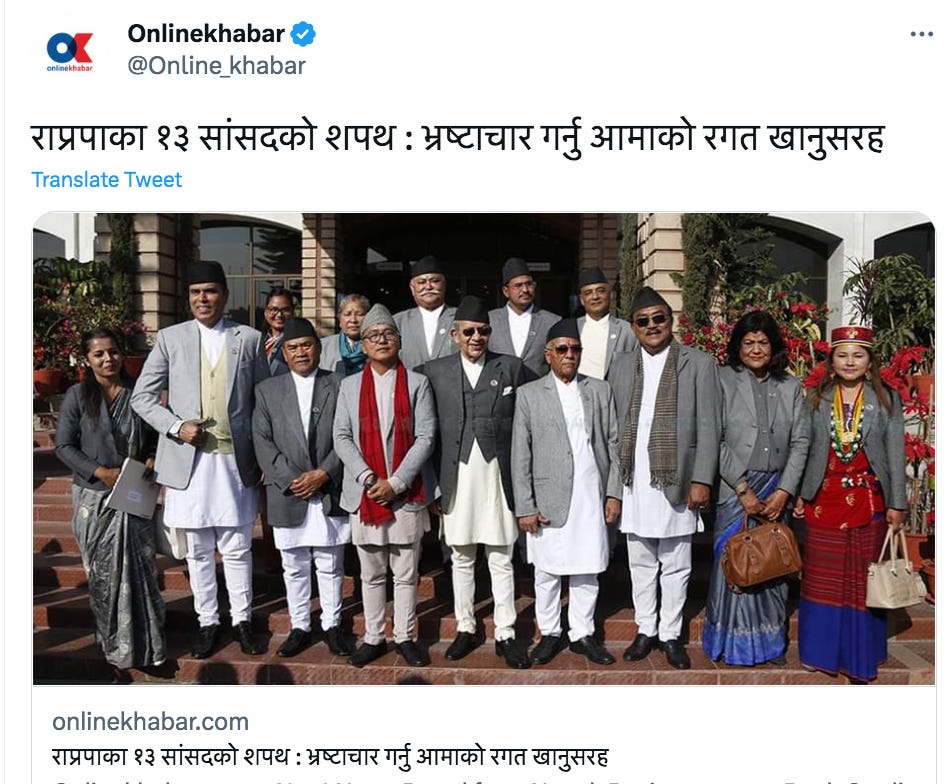
आमा राष्ट्रवाद versus आमा राष्ट्रघात: We also tried to explore the contradictions of the mother figure in the dominant narrative in popular media, as well as in Nepali politics. As writer Babita Rai pointed out, patriarchal state structures benefit by viewing women as mothers, who are sacrificial beings and not as individuals with rights and demands. So, on the one hand, nationalism is invoked through gendered metaphors using the female body - motherland, mother tongue, or as in the ultra-nationalist RPP uncles’ case it is आमाको रगत.
At the same time harmful narrative that mothers only give and don't demand, is pushed to deny women their rights to live a dignified life. We’ve seen that play out every time women in this country demand equal citizenship rights.
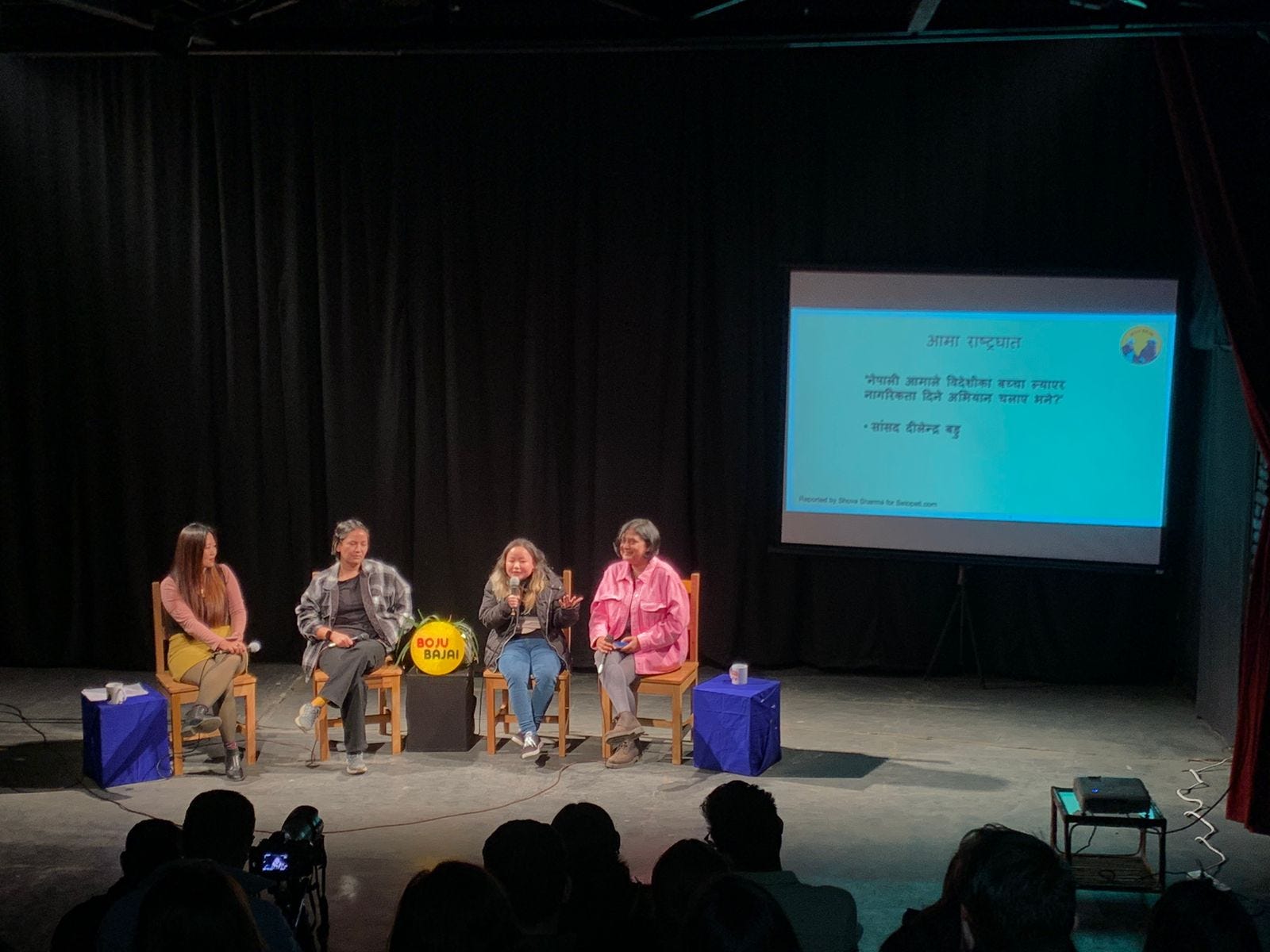


बिग्रेकी आमा: Women who put their interest over their family’s, women who decide to exercise their agency over their bodies, their lives are always frowned upon in our families as well as in our movies, where they are often referred to as बिग्रेकी आमा, the opposite of the god like figure of the ideal mother.
Throughout Nepal’s history, every political movement has used the image of motherhood to generate support for the movement - carrying a rifle in one hand and an infant in another. But when the time comes to include women in positions of power, the same motherhood is weaponized to keep them off it. Anbika Giri spoke about how women are made to feel guilty for leaving their children to engage in the public sphere. Those who do are tagged as बिग्रेकी आमा. Even women who question harmful narratives and stereotypes around motherhood in their homes and families are also considered to be in the same category. As Babita Rai put it succinctly, “Mothers who do not train their children to preserve the patriarchal social structure are also बिग्रेकी आमा.”
We are super excited to share the full conversation in the coming weeks with everyone. And we hope there will be more conversations like this in the future too. Meanwhile, it would also be nice if men too took part in such conversations and stopped tweeting about mothers’ unconditional loouuu.